Communication with purpose
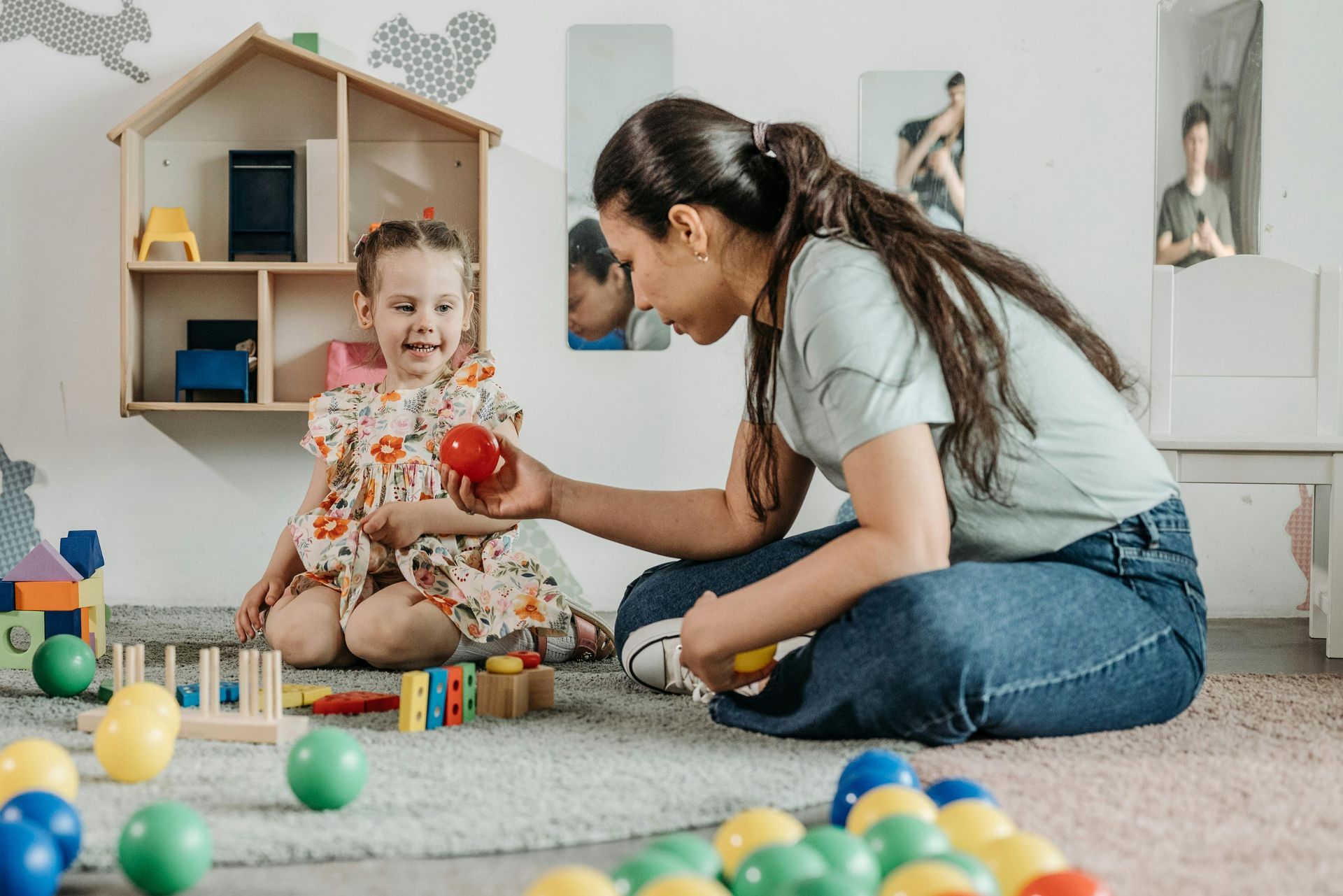
Speech-language therapy supports communication as part of coordinated care. Some children need support developing spoken language; others benefit from help with conversation, understanding language, or interpreting social and nonverbal cues.
A speech-language pathologist begins with an individualized evaluation of your child’s communication strengths and challenges.
Individual goals for everyday connection
- Developing spoken language and useful communication skills.
- Building conversational and social communication.
- Exploring nonverbal communication, including signs or gestures.
- Connecting the mechanics of speech with its meaning and social use.
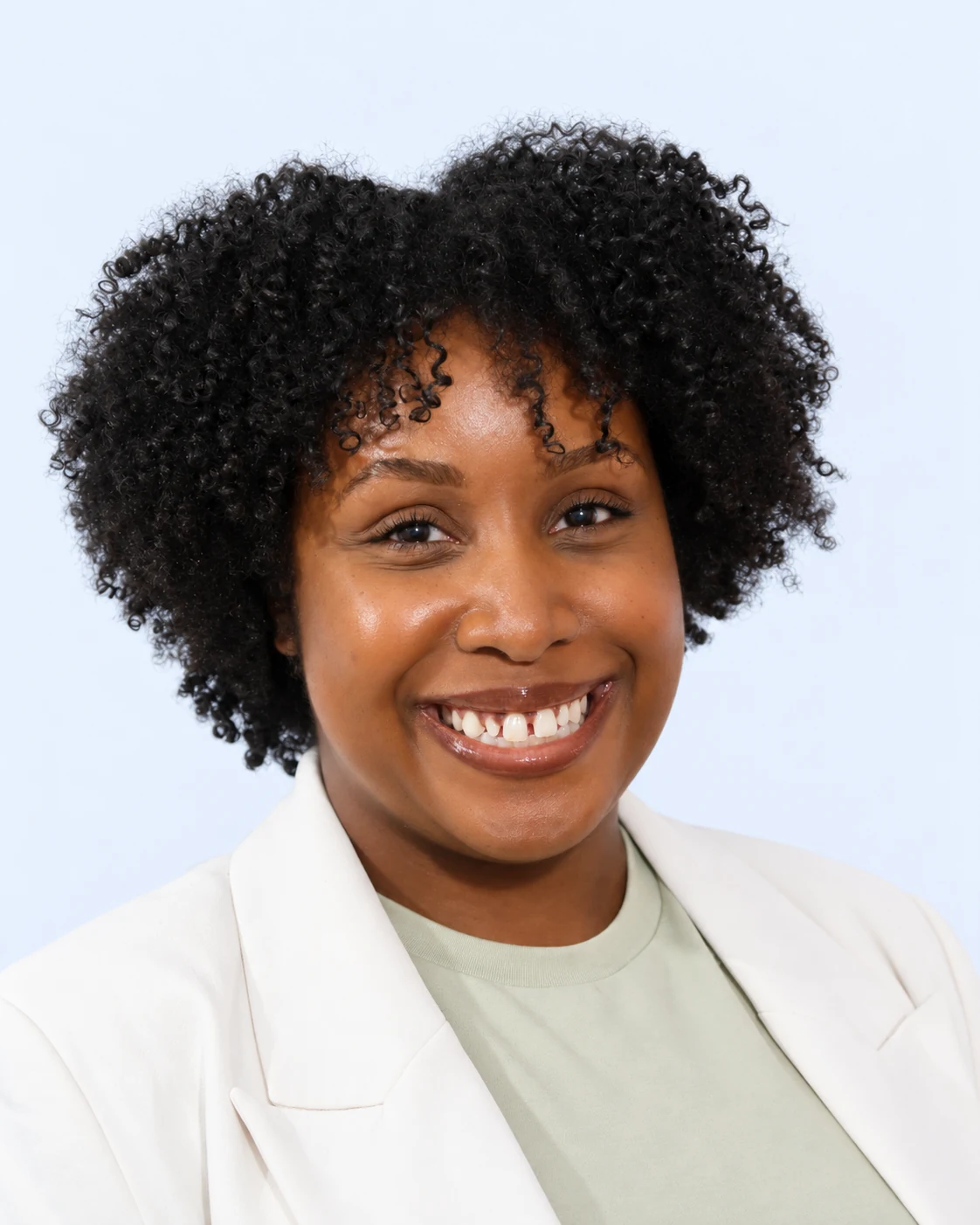
Meet our speech therapy director
Tyanna Turner
Director of Speech Therapy
Read biography